September 13, 2026
A well-maintained pool serves as a central feature of any outdoor space, providing a pristine environment for recreation and relaxation. Over time, heavy usage, constant chemical exposure, and shifting environmental conditions naturally wear down the structural coating, causing noticeable fading and roughness. Addressing these issues through dedicated surface renewal restores the underlying visual charm and ensures the basin remains structurally sound for long-term enjoyment. Investing in timely surface updates protects the underlying concrete foundation while dramatically improving the daily user experience. Beyond immediate aesthetic benefits, pool resurfacing maintenance offers a smooth and durable interior finish that simplifies routine water management and preserves the overall structural integrity of the installation.
Strategic timing plays a critical role in managing backyard aquatic features, as early interventions prevent minor surface defects from expanding into costly structural issues. Homeowners who recognize the initial warning signs of wear can plan necessary enhancements before structural integrity becomes compromised. Selecting the right materials and schedule ensures that the water feature remains safe, beautiful, and operational through every season. Comprehensive pool resurfacing allows for a seamless transition from aging plaster to modern, resilient materials designed to endure tough conditions.
Identifying the Primary Causes of Surface Wear
Chemical exposure represents one of the leading factors in the gradual breakdown of an aquatic interior. Balanced water chemistry is essential for swimmer comfort, but slight deviations over extended periods can strip away protective coatings or cause heavy mineral scaling. Combined with the constant physical pressure of thousands of gallons of water, these microscopic reactions slowly dissolve top layers, exposing raw materials underneath. Additionally, continuous radiation from sunshine breaks down protective compounds, accelerating color fading and material degradation across exposed sections.
Environmental influences work alongside chemical factors to speed up material breakdown throughout the year. Thermal fluctuations cause subtle expansion and contraction within concrete structures, leading to minor fractures that trap debris and organic matter. High humidity levels and surrounding vegetation further introduce organic compounds that alter overall balance and stain submerged surfaces. Recognizing these continuous environmental stressors helps property owners implement better pool resurfacing protection strategies before significant damage occurs. Proactive management of these variables significantly extends the useful life of any aquatic installation.
Recognizing Signs That Signal Necessary Updates
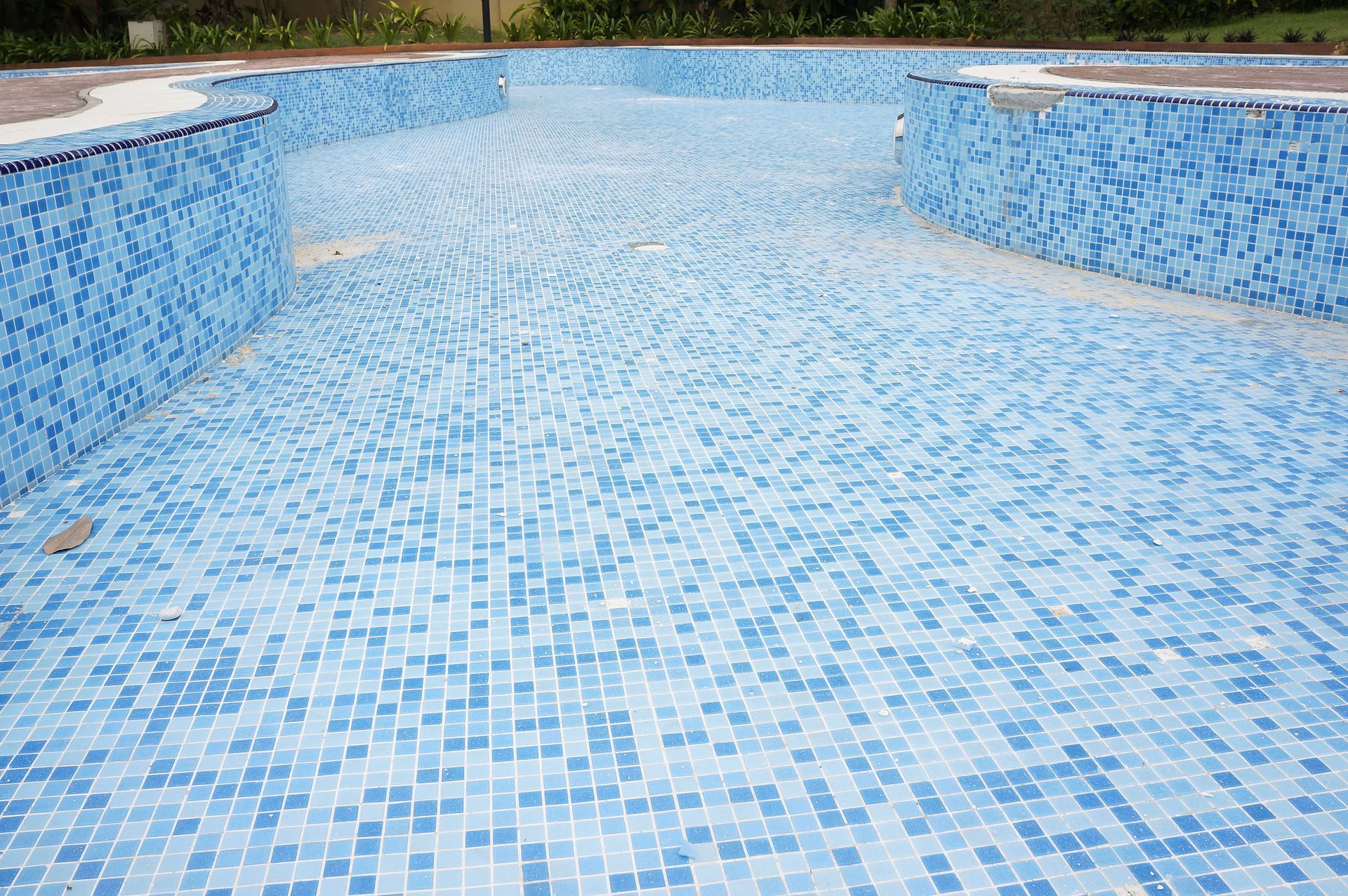
Visual indicators provide clear signals when a complete interior renewal becomes necessary to maintain structural health. Widespread chipping, peeling, or persistent staining indicates that the existing coating has reached the end of its functional life. As the top protective layers erode, the surface develops an abrasive, rough texture that creates discomfort for swimmers and traps stubborn debris. Left unaddressed, these minor surface imperfections can develop into deeper structural fissures that permit water migration beneath the shell.
Performance changes also signal the urgent need for professional surface updates and interior corrections. Increased reliance on heavy chemical doses often stems from an aging, porous interior that continuously leaches minerals or harbors embedded algae. Over time, an aging surface can lead to more imbalances, requiring more chemicals to maintain proper water quality, thus driving up costs. According to RubyHome, swimming pools can boost a home's value by up to 7%, making it essential to maintain their appeal and functionality. A deteriorating pool finish can hinder this value, so resurfacing the pool not only helps with aesthetic improvements but also can help sustain or increase your property value.
Analyzing the High Costs of Long-Term Neglect
Postponing necessary surface updates often leads to exponential growth in ongoing maintenance expenses. Rough and degraded interiors provide ideal breeding grounds for stubborn algae species that resist standard sanitizing routines, forcing homeowners to purchase excessive chemical treatments. Additionally, compromised interiors tax circulation and filtration hardware by releasing fine grit and debris directly into the plumbing lines. This increased strain accelerates mechanical wear, resulting in premature equipment failures and inflated monthly utility costs.
Neglecting interior wear also threatens the fundamental structural integrity of the entire concrete vessel. Tiny cracks allow water to seep behind the protective plaster, where it reaches the inner rebar structure and causes hidden rust and expansion. This structural corrosion leads to major spalling, delamination, and severe leaks that require extensive structural reconstruction to fix properly. Addressing interior wear at the first sign of breakdown avoids these catastrophic structural failures and preserves overall property value. Consistent attention to structural health ensures long-term functionality without unexpected financial burdens.
Evaluating Modern Material Options for Optimal Durability
Selecting modern materials for surface updates dramatically alters both the aesthetic appeal and overall lifespan of the vessel. Traditional plaster offers a smooth, classic appearance at an accessible price point, though it remains sensitive to strict chemical balance. Modern aggregate finishes blend natural pebbles, quartz, or glass beads with fortified cement mixtures to build exceptionally durable interiors. These aggregate surfaces resist staining, chemical erosion, and mechanical wear far better than traditional smooth finishes, offering decades of reliable service.
Advanced material technology has revolutionized how residential aquatic features withstand aggressive environmental conditions. High-grade tile and aggregate blends feature zero porosity, making it impossible for algae roots to penetrate the substrate. Investing in premium materials during a renewal project minimizes long-term maintenance labor while creating vibrant, light-reflecting water effects. Understanding the specific benefits of each material option allows owners to choose a solution that aligns perfectly with their budget and aesthetic goals. Modern pool resurfacing options provide superior resistance to heavy traffic, sun exposure, and harsh water conditions.
Optimizing Long-Term Water Quality and Efficiency
A fresh, pristine interior directly enhances overall water quality and streamlines daily maintenance routines. Non-porous surfaces prevent microscopic debris and organic matter from adhering to the walls, allowing filtration systems to remove contaminants with ease. Smooth interiors also demand significantly fewer chemicals to maintain perfect water balance, creating a gentler swimming environment that minimizes skin and eye irritation. Eliminating rough, porous surfaces creates a cleaner, safer aquatic environment that requires far less manual scrubbing.
In addition to superior sanitation, updated interiors maximize thermal efficiency and overall operational performance. Modern dark-tinted or reflective finishes capture solar heat, naturally warming the water and reducing energy demands on heating equipment. Smooth, uninterrupted surfaces facilitate uniform water flow, optimizing circulation and eliminating stagnant dead zones where bacteria typically thrive. Upgrading the interior finish turns routine water care into an effortless process while cutting operational overhead. Superior water conditions create an inviting space for daily exercise and leisure.
Maintaining an updated aquatic feature serves as a cornerstone for protecting and growing overall real estate equity. Prospective buyers view a poorly maintained or rough-vessel interior as an immediate liability, often factoring high repair costs into reduced purchase offers. Conversely, an impeccably maintained water feature with an updated, modern surface serves as a powerful selling point that sets a property apart in competitive real estate markets. Investing in regular surface maintenance ensures the home retains its full market appeal and functional utility.
Beyond immediate real estate considerations, executing timely surface updates provides peace of mind and endless outdoor enjoyment for family and guests. Professional care and modern material technology ensure that your aquatic installation remains a breathtaking focal point for years to come. Property owners who take a proactive approach to surface care safeguard their financial investment while enjoying superior water clarity and ease of operation. Entrusting your aquatic assets to experienced professionals guarantees lasting results and exceptional craftsmanship tailored to your property. Contact Trusted Pool & Spa today to schedule a comprehensive evaluation and learn how our expert
pool resurfacing services can transform your outdoor living space.